
Introduction: The Silent Parasite That Could Be Harming Your Kidneys
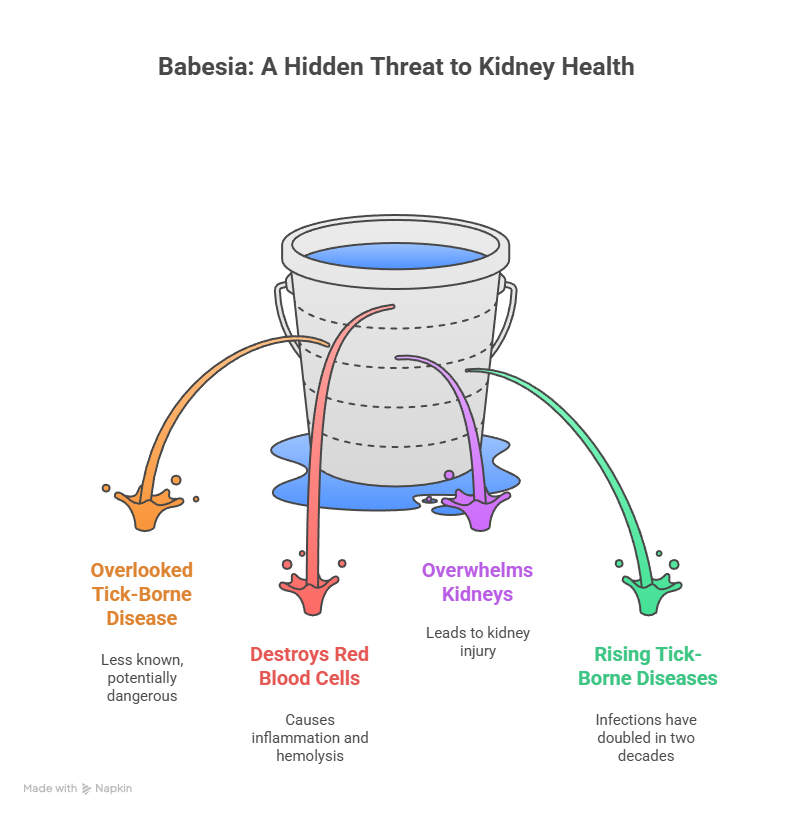
When most people think of tick-borne diseases, Lyme disease usually takes the spotlight. But there is another tick-transmitted infection that is far less known — and potentially just as dangerous. It’s called Babesia, a malaria-like parasite that infects red blood cells.
While often overlooked, Babesia infections can be devastating. By invading red blood cells, the parasite causes inflammation and destruction of those cells (hemolysis). This process can overwhelm the kidneys — the body’s natural filtration system — leading to kidney injury or even chronic kidney disease if left unchecked.
In Houston and across the United States, tick-borne diseases are on the rise. According to CDC data, reported tick-borne infections have doubled over the past two decades. Yet Babesia remains underdiagnosed and underrecognized, leaving many patients suffering without answers.
In this blog, Dr. Bismah Irfan, MD — a holistic kidney doctor and Functional Medicine physician at IVitality MD — uncovers how Babesia may be a hidden culprit in unexplained kidney problems. She explores the science, the challenges of diagnosis, and how a comprehensive, root-cause approach can bring clarity and healing.
What Is Babesia? A Malaria-Like Parasite in Our Own Backyard
Babesia is a protozoan parasite that infects red blood cells, much like malaria. It is transmitted primarily through the bite of infected ticks, especially the black-legged tick (Ixodes scapularis), which also carries Lyme disease and other pathogens.
There are over 100 species of Babesia worldwide, but the most common species affecting humans in the U.S. are Babesia microti (primarily in the Northeast and Midwest) and Babesia duncani (found along the West Coast).
How Babesia Affects the Body
Once inside the body, Babesia enters red blood cells and multiplies. This leads to:
- Hemolysis (red blood cell destruction)
- Anemia (low red blood cell counts)
- Release of hemoglobin and inflammatory byproducts into the bloodstream
- Immune system activation and systemic inflammation
For most healthy individuals, Babesia may cause flu-like symptoms such as fatigue, fever, chills, sweats, and headaches. But in vulnerable individuals — especially those with weakened immune systems or preexisting kidney disease — the infection can have severe complications that require evaluation by a holistic kidney doctor who understands infection-driven kidney injury.
The Babesia–Kidney Connection
Your kidneys act as filters, removing waste and balancing fluids, electrolytes, and blood pressure. But when Babesia destroys red blood cells, the kidneys can be placed under extreme stress.
1. Hemolytic Anemia and Hemoglobin Overload
As Babesia ruptures red blood cells, hemoglobin is released into the bloodstream. Excess free hemoglobin is toxic and can clog the kidney’s delicate filtration units (glomeruli). This process, known as hemoglobinuria, can lead to acute kidney injury (AKI).
2. Inflammation and Cytokine Storms
Babesia infections can trigger strong immune responses, including the release of inflammatory cytokines. This inflammation not only damages blood vessels but also directly injures kidney tissue — a pattern frequently seen by a holistic kidney doctor treating unexplained kidney decline.
3. Long-Term Risks
If unrecognized, repeated or chronic Babesia infection can contribute to:
- Chronic kidney disease (CKD)
- Hypertension (from kidney scarring)
- Increased cardiovascular risk
In fact, case reports in medical literature describe patients developing acute kidney failure requiring dialysis as a direct result of Babesia infections.
Challenges in Diagnosis: Why Babesia Often Goes Missed
One of the most concerning aspects of Babesia is how easily it can slip under the radar. Conventional diagnostic tools are often limited.
Standard Blood Smear Testing
Doctors may use a blood smear to detect parasites inside red blood cells. However, Babesia parasites are often present in very low numbers, making them easy to miss.
Antibody Tests
Antibody tests can help, but they are not always reliable — especially in early infection or in patients with immune dysfunction.
Advanced Testing Options
A holistic kidney doctor trained in Functional Medicine may recommend more sensitive testing methods, including:
- PCR (Polymerase Chain Reaction)
- FISH (Fluorescent In Situ Hybridization)
These tools are often essential because Babesia frequently coexists with other tick-borne infections.
A Comprehensive Functional Medicine Approach
At IVitality MD, Dr. Bismah Irfan applies a holistic and systems-based approach to Babesia-related kidney injury. As a nephrologist and holistic kidney doctor, her focus extends beyond eliminating the parasite to restoring immune balance and protecting kidney function.
1. Targeted Antimicrobials
- Conventional medications when appropriate
- Botanical antimicrobials such as artemisinin and cryptolepis
2. Immune and Mitochondrial Support
- Vitamin D, zinc, antioxidants
- CoQ10 and mitochondrial nutrients
- Anti-inflammatory compounds
3. Kidney Protection Protocols
- Strategic hydration
- Antioxidant and IV support
- Ongoing kidney lab monitoring
This layered approach addresses both the infection and the underlying kidney vulnerability.
Houston and the Babesia Risk
With Houston’s climate, outdoor activity levels, and rising tick populations, Babesia exposure is a growing concern. Combined with high rates of diabetes and hypertension, many residents may benefit from evaluation by a holistic kidney doctor when kidney issues lack a clear explanation.
Key Takeaways
The Babesia–Kidney Connection
Babesia causes red blood cell destruction and inflammation that can overwhelm the kidneys.
Diagnostic Gaps
Standard tests often miss Babesia; advanced Functional Medicine testing improves detection.
A Holistic Kidney Strategy
Working with a holistic kidney doctor allows for targeted antimicrobial treatment, immune support, and kidney protection — all at the same time.
Conclusion: Don’t Overlook This Hidden Threat
Babesia may be small, but its impact on kidney health can be profound. Left untreated, it can silently contribute to kidney damage, fatigue, anemia, and long-term complications.
At IVitality MD in Houston, Dr. Bismah Irfan, MD combines nephrology expertise with a Functional Medicine lens as a holistic kidney doctor, uncovering hidden infections and addressing root causes — not just lab numbers.
If you’re experiencing unexplained kidney changes, fatigue, or anemia — especially with possible tick exposure — Babesia should not be overlooked. With comprehensive testing and individualized care, healing is possible.
👉 Book a consultation with Dr. Bismah Irfan at IVitality MD and take the first step toward protecting your kidneys and restoring whole-body health.