
Introduction: Can a Simple Cup of Tea Support Your Kidneys?
Herbal teas have become incredibly popular in the wellness world, especially those marketed for “detoxing” or “cleansing” the kidneys. But not all herbs have strong scientific backing, and not all are safe for individuals with chronic kidney disease.
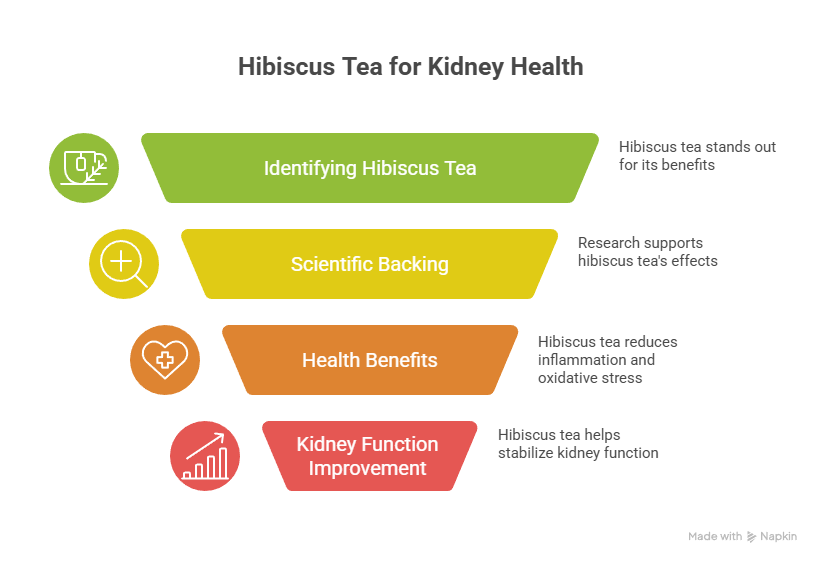
However, one herbal remedy stands out for its research-supported benefits: hibiscus tea.
In this episode of Wellness Focused, Dr. Bismah Irfan, MD breaks down the science behind hibiscus tea, its effects on inflammation, oxidative stress, and kidney function, and how to use it safely as part of a holistic kidney health plan. She also shares a real-life case of a stage 3 CKD patient who stabilized kidney function and reduced inflammation through a personalized protocol that included hibiscus tea.
If you’re curious about natural ways to support your kidneys, or wondering whether hibiscus tea is right for you, this guide covers everything you need to know: the science, the benefits, the risks, the doses, and the dos and don’ts.
Hibiscus Tea: A Potent Plant with Real Kidney Benefits
Hibiscus sabdariffa, often prepared as a tart, ruby-red tea, has been used in traditional medicine for centuries. Today, modern research confirms that hibiscus is far more than a flavorful drink; it’s a medicinal herb with measurable effects on inflammation, blood pressure, oxidative stress, and kidney tissue health.
Here’s why it matters for your kidneys.
1. An Antioxidant Powerhouse: Fighting Oxidative Stress from the Inside Out
Oxidative stress is one of the main drivers of chronic kidney disease. It damages kidney tissue, accelerates fibrosis, worsens inflammation, and contributes to progression even when blood pressure and diabetes are well controlled.
Hibiscus is rich in:
- Anthocyanins
- Vitamin C
- Polyphenols
- Quercetin
- Hibiscus acid
These compounds neutralize harmful free radicals and protect kidney cells from oxidative injury.
Research shows hibiscus:
- Lowers oxidative stress markers
- Increases glutathione (the body’s master antioxidant)
- Protects kidney cells from toxin-induced damage
- Reduces inflammatory pathways
For someone with CKD, where oxidative stress is consistently elevated, hibiscus can offer gentle but meaningful support.
2. Anti-Inflammatory Effects: Calming the Key Driver of CKD Progression
Inflammation is a major cause of kidney damage. Diabetes, high blood pressure, infections, and autoimmune conditions keep the kidneys in a constant state of inflammatory stress.
Hibiscus tea naturally:
- Reduces TNF-α
- Decreases IL-6 and other inflammatory cytokines
- Improves endothelial function
- Supports healthy immune responses
This is critical because reducing inflammation can slow the scarring process (fibrosis) that causes kidney function to decline.
3. Improved Kidney Function and Reduced Fibrosis: What Research Shows
Several animal and human studies reveal that hibiscus extracts can:
✔ Protect the kidneys from injury
Hibiscus shields kidney cells from toxins, low oxygen, metabolic stress, and inflammation.
✔ Reduce renal fibrosis
Fibrosis is the scar tissue that replaces healthy nephrons. It’s usually irreversible. Hibiscus shows antifibrotic effects by blocking TGF-β pathways, similar to certain medications.
✔ Lower creatinine and BUN levels
Some studies show modest improvements in kidney filtration markers.
✔ Improve urine flow and reduce crystal formation
Hibiscus may reduce kidney stone risk in certain individuals by increasing citrate levels and supporting healthier urine pH.
✔ Support healthy blood pressure levels
Hypertension is a leading cause and complication of CKD. Hibiscus has mild ACE-inhibitor–like properties, helping lower blood pressure naturally.
These benefits make hibiscus an impressive herbal ally for kidney health.
4. Antimicrobial and Detoxification Support
Hibiscus has natural antimicrobial properties, helping reduce:
- Bacterial overgrowth
- Yeast imbalance
- Biofilm formation
- Certain urinary pathogens
Because chronic low-grade infections can worsen kidney function, this indirect support is meaningful.
Hibiscus also supports the body’s detox pathways by:
- Enhancing liver function
- Supporting bile flow
- Reducing oxidative stress from toxins and heavy metals
When detox pathways work better, the kidneys have less burden.
Real-Life Case Study: Stage 3 CKD Patient Who Stabilized With Hibiscus Tea
Dr. Irfan shares a powerful example:
A 58-year-old woman with stage 3 chronic kidney disease had rising creatinine levels, moderate inflammation, and fluctuating blood pressure. She wanted to explore a holistic approach to avoid progression to stage 4.
Her personalized treatment plan included:
- Daily hibiscus tea
- Anti-inflammatory nutrition
- Gut healing protocols
- Omega-3 supplementation
- Stress management
- Low-toxicity lifestyle support
- Removal of NSAIDs and inflammatory triggers
Over 6 months:
- Her creatinine stabilized
- Her GFR improved slightly
- CRP (inflammation marker) decreased
- Blood pressure became easier to control
- She reported more energy and fewer swelling episodes
Hibiscus tea was not the only intervention, but it played a significant supportive role by reducing oxidative stress, calming inflammation, and helping regulate blood pressure.
This case highlights what functional medicine emphasizes:
When root causes are addressed, kidney function can stabilize and sometimes improve.
How Hibiscus Tea Helps the Kidneys: The Science Simplified
To understand why hibiscus works, here’s a breakdown of its key actions on kidney tissue:
✔ Antioxidant protection
Prevents oxidative damage that accelerates CKD.
✔ Anti-inflammatory effects
Reduces chronic immune activation that harms the glomeruli.
✔ Antifibrotic action
Slows the scarring process that leads to long-term decline.
✔ Vascular support
Improves endothelial function, helping blood reach kidney tissue.
✔ Mild diuretic effects
Gently increases urine flow without stressing the kidneys.
✔ Blood pressure regulation
Reduces hypertension naturally.
✔ Metabolic support
May improve lipid levels and blood sugar markers.
✔ Liver support
Reduces toxin load, easing burden on the kidneys.
This unique combination makes hibiscus tea a well-rounded addition to a kidney-supportive lifestyle.
Hibiscus Tea: The Dos and Don’ts
Herbs are powerful, and hibiscus is no exception. To get the benefits safely, it’s important to follow best practices.
THE DOS
1. Do brew it properly
Use organic hibiscus petals or tea bags.
Standard preparation:
- 1–2 teaspoons dried hibiscus petals
- Steep in 8–12 ounces of hot water for 10–15 minutes
- Drink warm or chilled
Longer steeping increases antioxidant potency.
2. Do start slowly
Begin with:
- ½ cup per day
Then gradually increase to: - 1–2 cups per day, depending on tolerance and blood pressure stability.
3. Do monitor blood pressure
Hibiscus can naturally lower blood pressure.
If you are already on:
- ACE inhibitors
- ARBs
- Diuretics
- Beta-blockers
- Calcium-channel blockers
you should monitor for dizziness or sudden BP drops.
4. Do combine it with a holistic kidney health plan
Hibiscus works best alongside:
- Anti-inflammatory nutrition
- Gut healing
- Optimal hydration
- Stress reduction
- Exercise
- Good sleep
- Avoiding nephrotoxic medications (like NSAIDs)
Hibiscus is supportive, not a cure-all.
5. Do choose high-quality hibiscus
Look for:
- Organic
- Non-GMO
- No artificial colors or preservatives
- Third-party tested herbs
Low-quality hibiscus can contain contaminants that harm the kidneys.
6. Do drink it consistently
Most benefits come from regular use, not occasional consumption.
Aim for:
- 5–7 days per week
THE DON’TS
1. Don’t use hibiscus if pregnant or trying to conceive
It can affect hormone levels and uterine activity.
2. Don’t drink large amounts if you have low blood pressure
Hibiscus may lower it further.
3. Don’t combine with medications that interact
Avoid or monitor closely if taking:
- Diuretics → risk of excessive urination
- ACE inhibitors or ARBs → potassium changes
- Statins → potential interaction with metabolism pathways
- Diabetes medications → blood sugar drops
Always consult your physician.
4. Don’t add excessive sugar
Hibiscus is naturally tart.
Adding sugar increases inflammation and harms the kidneys.
Use healthier alternatives like:
- Stevia
- Monk fruit
- A small amount of raw honey (if blood sugar permits)
5. Don’t rely on hibiscus as your only therapy
Kidney disease requires comprehensive management.
Hibiscus is supportive, not adequate alone.
6. Don’t use hibiscus in powdered drink mixes
Many commercial “hibiscus drinks” contain:
- High fructose corn syrup
- Artificial dyes
- Preservatives
- Excess sodium
These undermine kidney health.
Who Should Be Cautious With Hibiscus Tea?
✔ Patients with very low blood pressure
✔ Individuals on diuretics or multiple BP medications
✔ People with blood sugar fluctuations
✔ Those with allergies to hibiscus or related plants
✔ Pregnant or breastfeeding women
✔ Patients with advanced CKD who require tight electrolyte monitoring
Always consult with your nephrologist before starting regular herbal therapies.
Three Key Takeaways
1. Antioxidant Powerhouse
Hibiscus is rich in anthocyanins and polyphenols that reduce oxidative stress and inflammation, major contributors to kidney disease progression.
2. Protective & Restorative Effects
Research supports hibiscus tea’s ability to improve kidney function, reduce fibrosis, and offer benefits similar to certain medications, all while supporting vascular and metabolic health.
3. Safe Support When Used Wisely
When prepared correctly and used under guidance, especially if you take blood pressure medications or have advanced CKD, hibiscus tea can be a valuable part of a holistic kidney care plan.
Conclusion: A Simple, Powerful, Science-Backed Tool for Kidney Wellness
Hibiscus tea is more than a pleasant drink, it’s a potent, research-backed herbal therapy that supports kidney health in multiple ways. By reducing oxidative stress, calming inflammation, improving circulation, and protecting against fibrosis, hibiscus offers meaningful benefits for individuals with chronic kidney disease.
However, like any herbal tool, it works best as part of a personalized, holistic approach, not as a stand-alone cure. With proper preparation and mindful use, hibiscus tea can become a safe, supportive daily ritual that helps protect your kidneys and enhance your overall well-being.
Whether you’re seeking natural ways to stabilize kidney function, reduce inflammation, or complement your current treatment plan, hibiscus tea is a simple yet powerful addition worth considering.